



In the global football financial landscape, Real Madrid once again confirms itself as the undisputed economic powerhouse. According to the latest edition of the Deloitte Football Money League, which analyzes the revenues of the 2023/24 season of the world’s leading professional clubs, the twenty richest clubs generated a combined total of over €12.4 billion, marking an 11% increase compared to the previous year.
Real Madrid dominate, the role of the stadium
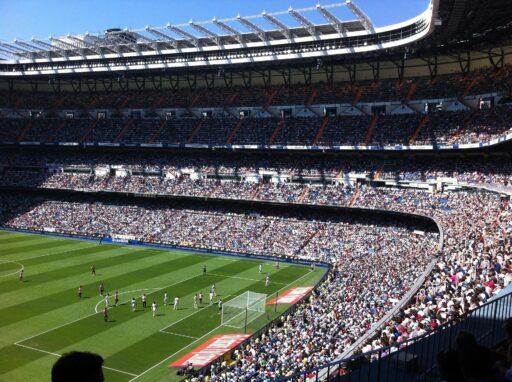
At the top of the ranking is Real Madrid, the first club in history to surpass the €1 billion revenue threshold, thanks to an increasingly diversified business model. Key factors included the growth in commercial revenues, new global sponsorships, and the contribution of the renovated Santiago Bernabéu Stadium, which has become a true entertainment hub.
Behind Los Blancos are FC Barcelona and Bayern Munich, followed by Paris Saint-Germain and Liverpool, which remains the English club with the highest revenues. The Premier League continues to be the most represented league in the top 20, highlighting the strength of the English economic model and the power of broadcasting rights.
“Revenues from commercial activities (€5.3 billion) reached record levels and became the primary source of income. Meanwhile, ticketing and stadium-related revenues totaled €2.4 billion, up 16% year on year. This is currently the fastest-growing revenue stream,” reads Il Sole 24 Ore.
What about Italian clubs?
From a geographical perspective, the Football Money League confirms the strong concentration of revenues in Western Europe. Italy is represented by Inter, Milan, and Juventus, signaling renewed commercial competitiveness among Serie A clubs, despite the still significant gap compared to English and Spanish giants. None of the Italian teams, however, appear in the global top ten for revenues. Clubs from other continents, on the other hand, are on the rise.
“The rise of some Saudi Pro League clubs and Inter Miami from Major League Soccer represents a commercial challenge for Europe’s leading clubs. For MLS in particular, capitalizing on this opportunity after the 2026 World Cup could be the key to opening up a new fan market in the United States. We may soon see clubs from these leagues appear in the Money League as the highest-revenue clubs in the world,” writes La Gazzetta dello Sport.
According to Deloitte, the future of elite football will be increasingly tied to clubs’ ability to innovate their revenue streams, leveraging multifunctional stadiums, digital content, global partnerships, and new international competition formats. This evolution strengthens football as a global industry, but also raises questions about economic sustainability and the competitive balance of the system.